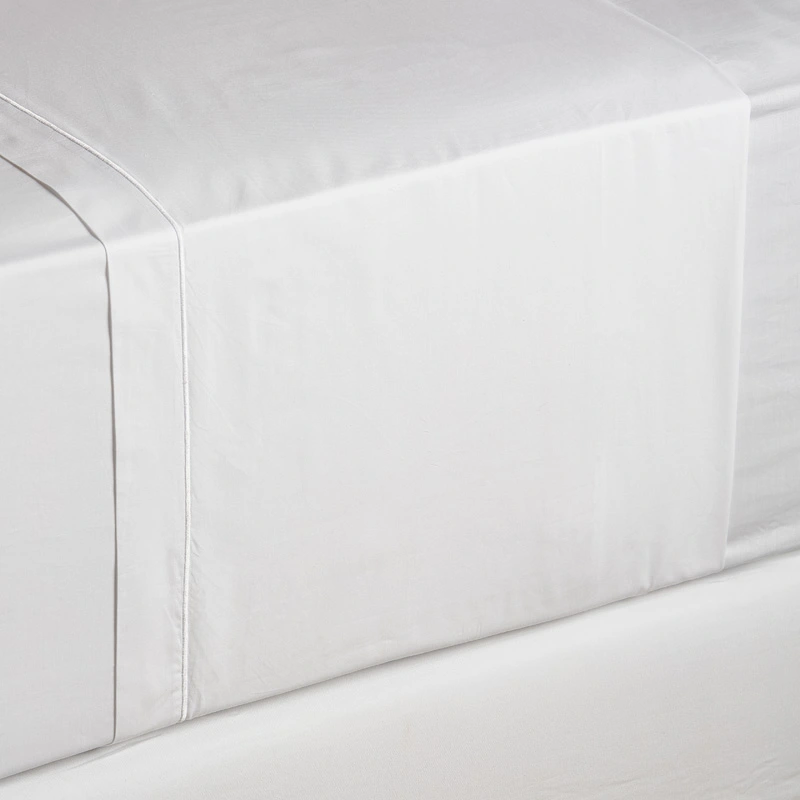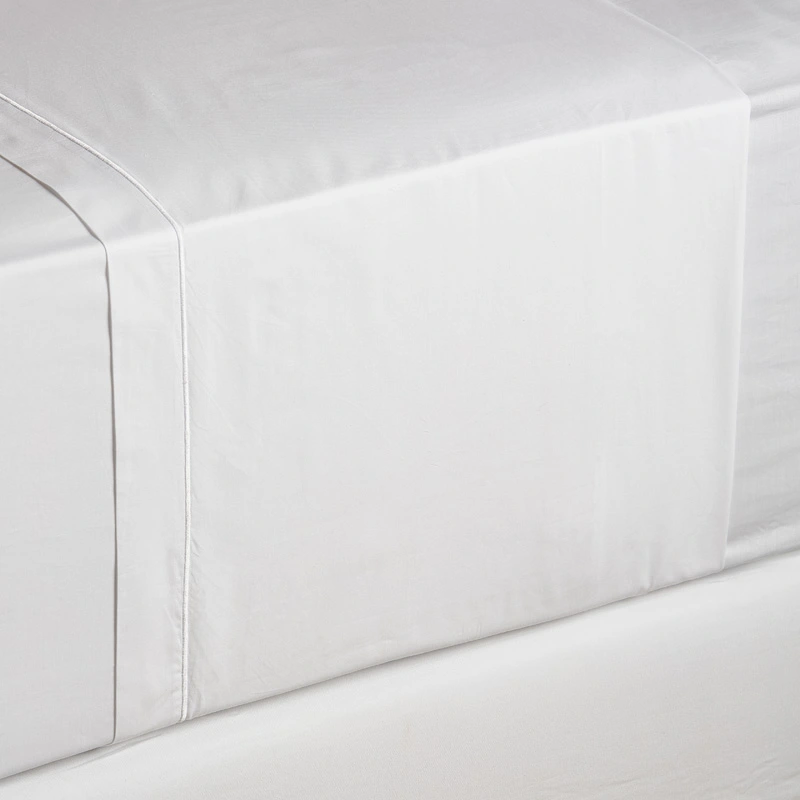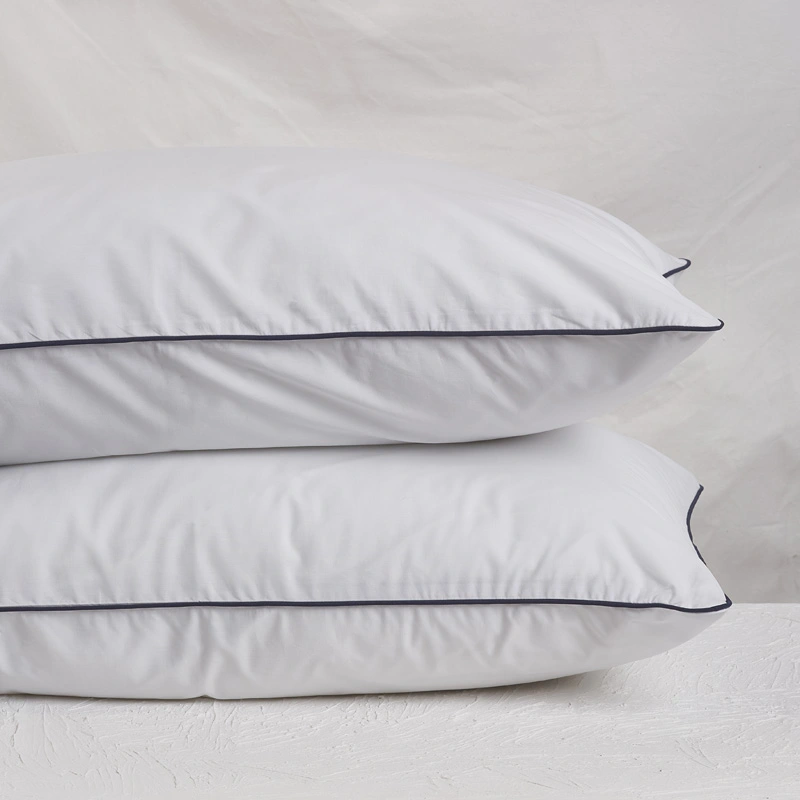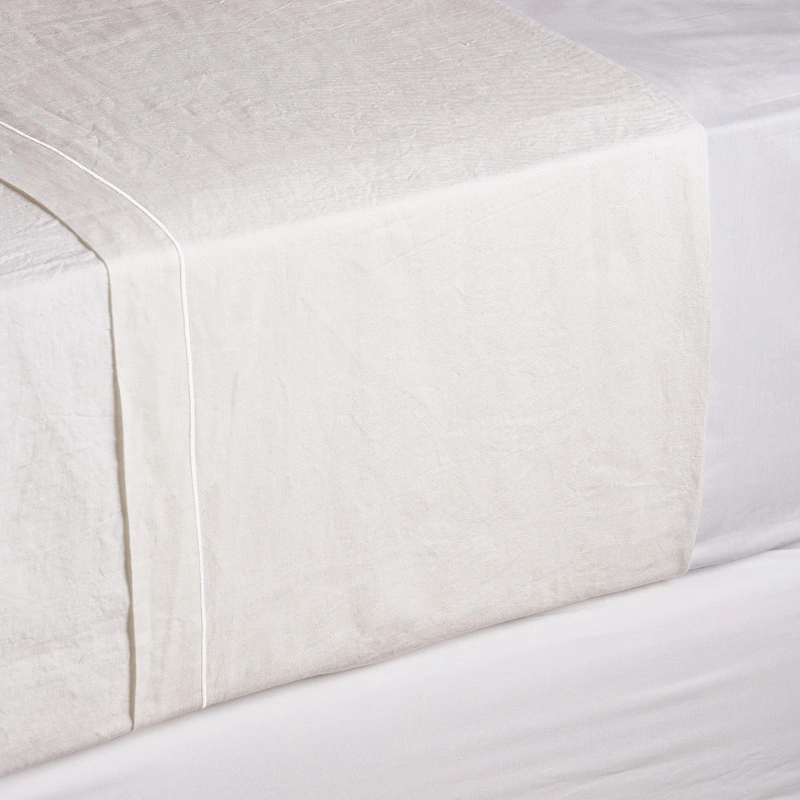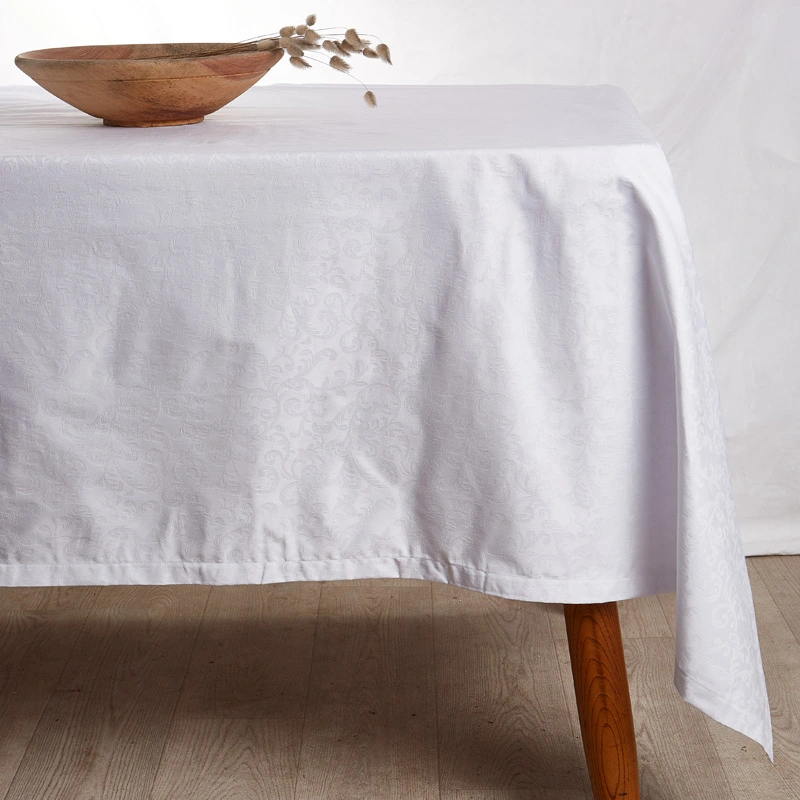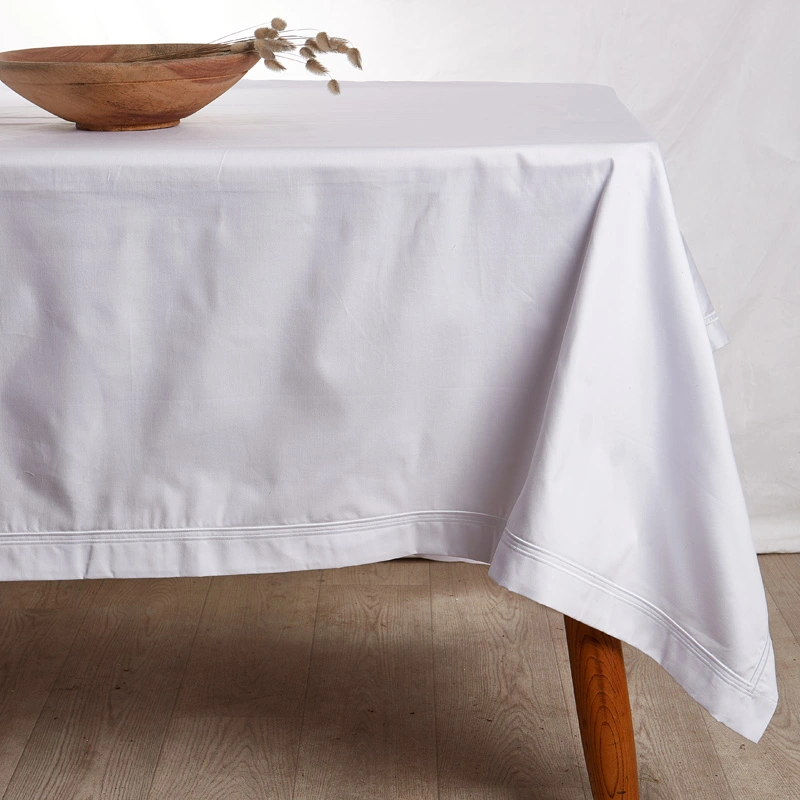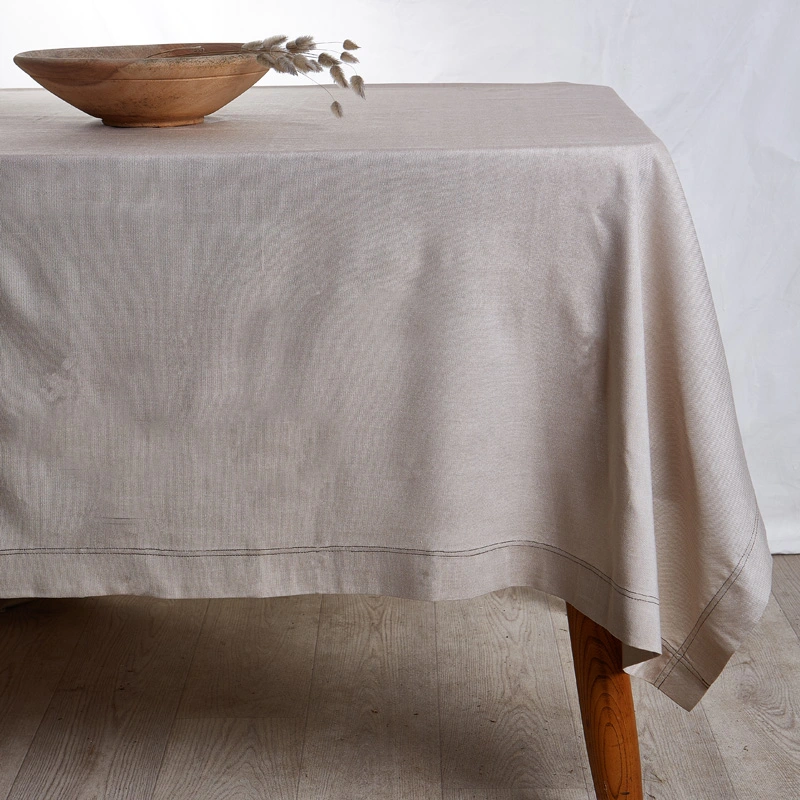
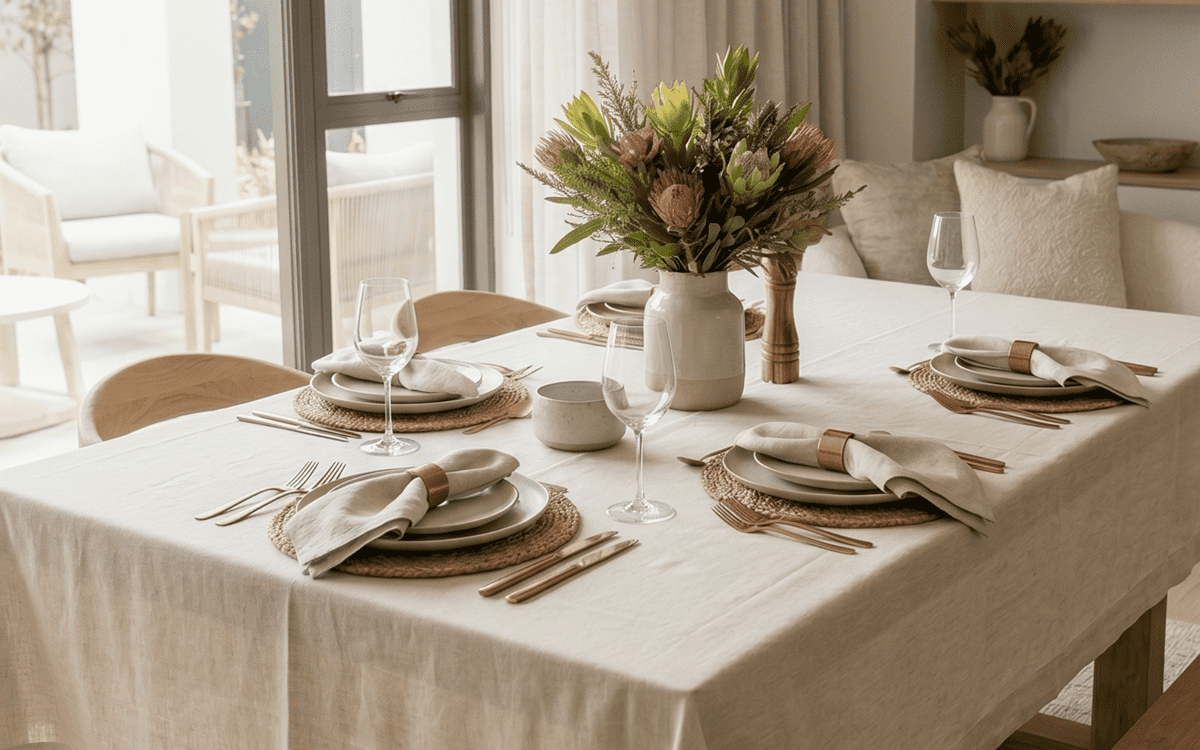
There is something quietly transformative about a well-chosen tablecloth. Before the candles are lit or the first course is served, it sets the tone, the texture beneath your fingertips, the way a hem falls, the manner in which light catches a well-woven weave. It is, in many ways, the foundation of the table.
At Linen Drawer, we have spent two decades helping South African homes and hospitality venues choose table linen that does not simply look beautiful on day one, but continues to improve with every wash, every gathering, every season. This guide distils what we have learnt into the essentials: how to size your tablecloth correctly, which fabrics are worth investing in, and how to choose a style that will serve your table for years rather than just one occasion.
Getting the Size Right
The single most common mistake when purchasing a tablecloth is underestimating the overhang. A cloth that merely covers the tabletop looks incomplete, almost apologetic. The accepted standard for a formal dining setting is a drop of between 30 and 40 centimetres on each side; for a relaxed, everyday look, 20 to 25 centimetres works well.
How to measure your table
Start by measuring the length and width of your table at its widest points. Then decide on your preferred drop. The formula is straightforward:
Tablecloth length = table length + (drop × 2)
Tablecloth width = table width + (drop × 2)
So a rectangular table measuring 180 cm × 90 cm, dressed with a 35 cm drop, requires a cloth of approximately 250 cm × 160 cm.
Round tables
Round tables require a diameter measurement rather than length and width. Apply the same principle: measure the diameter of the table, then add twice your preferred drop. A table of 120 cm diameter with a 30 cm drop requires a cloth of at least 180 cm diameter.
It is worth noting that truly round tablecloths, cut and hemmed to a circular finish, are not always easy to source locally. At Linen Drawer, we pride ourselves on offering custom sizing as standard, which means we are able to cut to your exact specifications whether your table is round, oval, or an unusual bespoke dimension.
Understanding Table Linen Fabrics
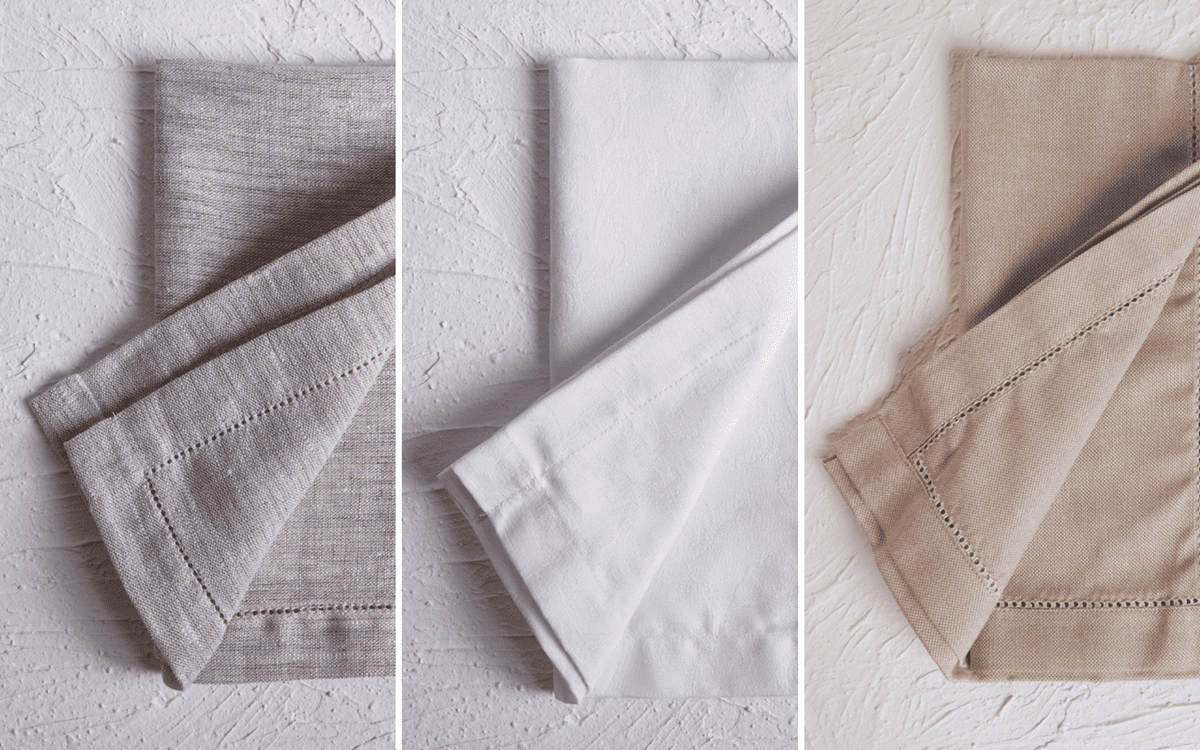
Not all table linen is created equal; and the fabric you choose will determine not only how your table looks, but how your cloth wears, washes, and ages over time.
Pure linen
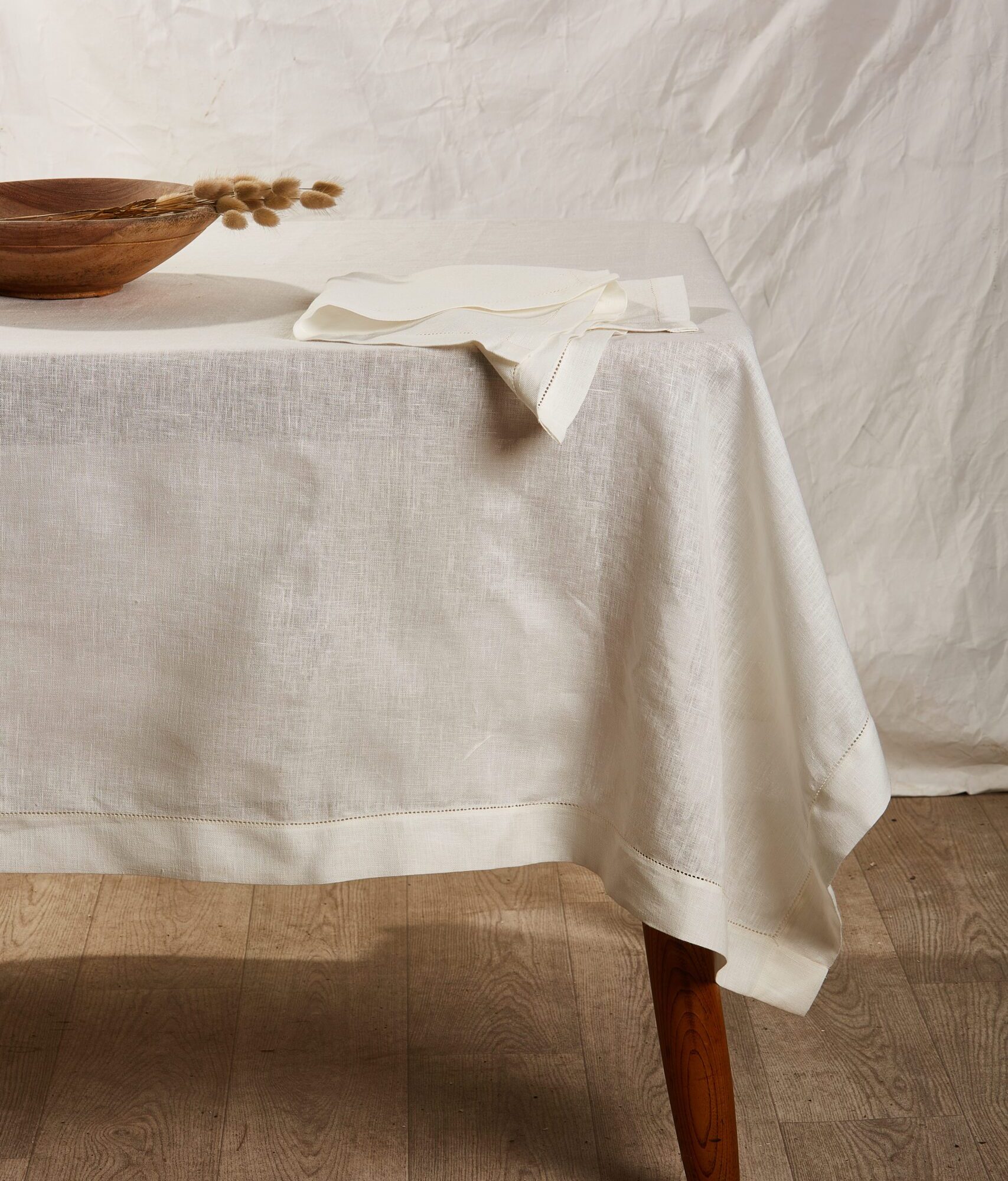
Linen is, without question, our first recommendation for the serious table. It is derived from the flax plant, a naturally resilient fibre with an inherent ability to soften and improve in character with repeated washing. A pure linen tablecloth resists staining more readily than cotton, dries quickly, and possesses a natural, slightly textured finish that photographs beautifully and feels generous underhand.
Our Pure Linen range carries this characteristic texture openly, it is coarser and more tactile than our Heirloom range, with a honesty to it that suits both rustic farmhouse tables and contemporary dining rooms. Our Heirloom Linen, by contrast, is woven from French flax and finished here in Paarl; it is finer and more refined whilst retaining all the durability that makes linen the preferred choice of boutique hotels and discerning homeowners alike.
Cotton
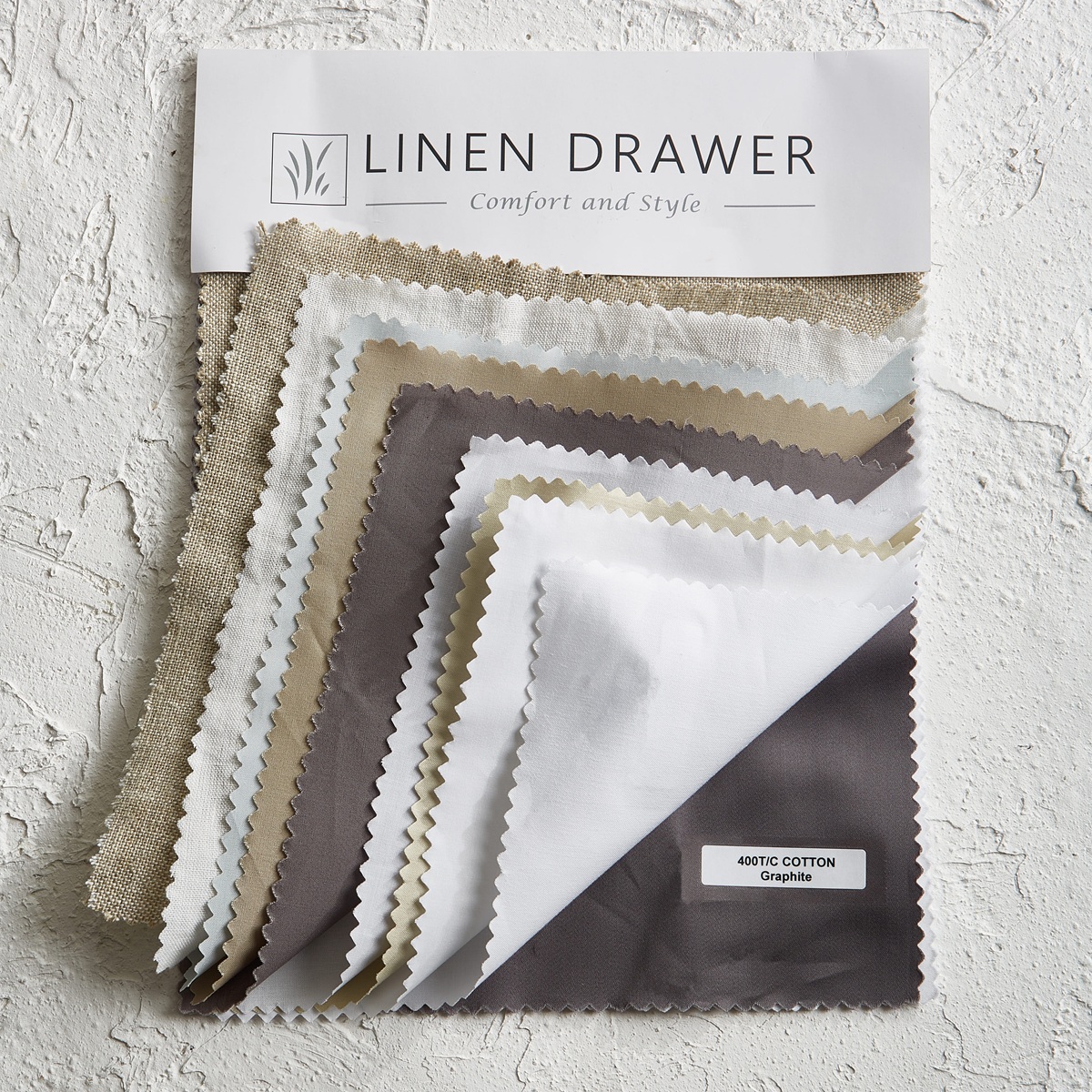
Quality cotton, particularly long-staple Egyptian cotton, is a close second to linen for table use. It is softer to the touch, tends to iron more easily, and is a good choice for households that wash their table linen frequently. We recommend a minimum thread count of 200 for tablecloths; anything lower tends to pill and thin over time.
Where cotton excels is in its receptiveness to colour; it takes dye beautifully, making it the preferred choice for tablecloths where a specific colour match is required, a consideration that our trade clients, working to interior design schemes, often raise with us.
Blended fabrics and what to avoid
Polyester blends are marketed on their ease of care and resistance to creasing. What they cannot offer is the breathability, texture, or ageing quality of natural fibres. At Linen Drawer, we have always believed that a tablecloth should become more characterful with time, and that is simply not possible with synthetic blends. We would encourage you to invest once in a quality natural cloth rather than replace a lesser one repeatedly.
Choosing a Style for Your Table

A tablecloth should be chosen to complement the table and the occasion it serves. Here are the principles we have come to rely on.
Colour and tone
Neutral tones: ivory, natural white, stone, and warm grey are the most versatile and the most enduring. They allow your tableware, flowers, and seasonal decorations to take the lead. They also tend to photograph well, which matters more than ever for hospitality venues managing their own social presence.
If you are drawn to colour, consider it as a layer rather than a foundation; a coloured runner over a natural linen base cloth gives you flexibility and easy refreshment between seasons without replacing the entire cloth.
Texture and weave
The weave of a fabric affects how it drapes, how it reflects light, and how formal it reads. A tighter weave, such as our Heirloom Linen, reads as more refined and is well suited to formal dining or hospitality settings where a polished presentation is expected. A more open, textured weave reads as relaxed and suits family dining, outdoor entertaining, and the kind of unhurried Sunday lunch that we are rather fond of here in the Boland.
Considering the occasion
For everyday use, prioritise washability and durability. Choose a cloth you can launder at home without ceremony. For formal entertaining or guest rooms, prioritise the drape and finish, these are the occasions where the detail will be noticed and appreciated.
Many of our clients keep two sets: an everyday cloth in a durable natural linen, and a finer cloth reserved for guests. It is an approach we wholly support.
Caring for Your Table Linen
Good table linen is an investment, and it rewards care. Here are the principles that will see your cloth through decades rather than seasons.
Wash at 40°C for most linens and cottons; hotter washes may be appropriate for white hospitality linen but will shorten the life of coloured cloths. Always check the care label specific to your piece.
Treat stains promptly and without panic. Cold water is your first response for most food and wine stains, hot water will set protein-based stains such as egg or meat. A small amount of quality liquid detergent worked in gently before the wash cycle is usually sufficient.
Iron whilst slightly damp for the cleanest finish; linen in particular benefits from a warm iron and will reward the effort with a crispness that is deeply satisfying. Store folded loosely to avoid permanent crease lines along fold edges.
A Note on Custom Sizing and Trade Orders
We understand that not every table is a standard size; and we have always felt that the solution to an unusual table should not be a tablecloth that almost fits. Our custom sizing service allows us to work to your precise measurements, whether you are dressing a single heirloom dining table or outfitting a boutique lodge with twenty covers.
For interior designers and hospitality buyers, we pride ourselves on reliability above all else, consistent quality across multiple orders, predictable lead times, and the reassurance of working directly with the people who make what we sell. Custom-sized table linen is available with a minimum order of five pieces; we welcome trade enquiries and are always glad to discuss a brief in person or via email.
We believe that the table is one of the most important places in a home; the place where meals become memories and ordinary evenings become occasions worth remembering. A well-chosen tablecloth does not merely protect a surface, it sets an intention.
If you would like to discuss sizing, fabric, or a custom order, we would love to hear from you. Visit us at linendrawer.co.za or come and see us in Paarl.
– Jimmy & Mary
Linen Drawer, Paarl